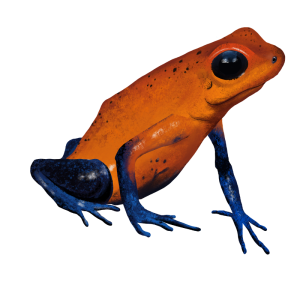
Rainforest worldwide and why we need to protect them
Today, on International Forest Day, we turn our attention to the rainforests, the lungs of our planet. These magnificent ecosystems are home to an unparalleled diversity of plants and animals, regulate the climate, and store enormous amounts of CO₂. Yet they are disappearing at an alarming rate due to deforestation and human activities. This article explains what makes rainforests so valuable, where they are found, what threats they face, and how we can protect them. Read on and discover how you can make a real difference today by adopting a piece of rainforest.
What are rain forests?
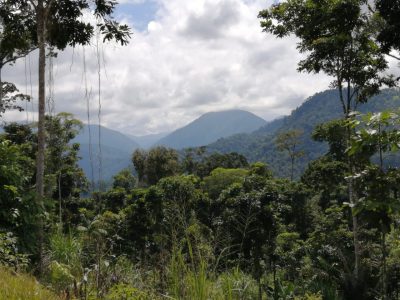
Rainforests are densely forested ecosystems characterized by high biodiversity, a complex, layered canopy, and a constant supply of rainfall throughout the year. They are home to an enormous variety of flora and fauna; a single square kilometer of tropical rainforest can serve as a habitat for hundreds of plant species, dozens of mammal species, and hundreds of bird species. Rainforests function as natural regulators of climate and water management, and they play a crucial role in carbon storage, thereby acting as a buffer against climate change.
What makes rainforests unique is their complexity: different layers, from the forest floor to the emergent canopy, provide diverse habitats for animals and plants. Additionally, many organisms are entirely dependent on these specific conditions and cannot survive anywhere else. Rainforests are therefore not only important as a source of biodiversity, but also as reservoirs of genetic wealth, which can be crucial for scientific research and future medical developments.
Where do you find rainforests?
Rainforests are found primarily in tropical and subtropical regions, where average temperatures remain high year–round and rainfall is abundant. The largest and best-known tropical rainforests are located in South America, with the Amazon region as the most iconic example. Other major rainforest regions are found in Central Africa, such as the Congo Basin, and in Southeast Asia, including countries like Indonesia, Malaysia, and Papua New Guinea. Adopt a Rainforest protects a beautiful tropical rainforest in Costa Rica, Central America.
In addition to these large tropical rainforests, there are also temperate rainforests, such as those along the west coast of North America. Although smaller in size and biodiversity, these forests are certainly important and contribute to regional climate regulation and the water cycle.
Why are rainforests so important
 Why are rainforests so important
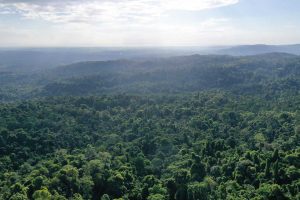
Rainforests fulfill a wide range of ecological, economic, and social functions. Ecologically speaking, they are indispensable to the global carbon cycle; they store enormous amounts of CO₂ and thus help mitigate global warming. In addition, rainforests ensure a stable local climate, regulate the water cycle, and protect against soil erosion.
Economically, rainforests provide valuable resources such as timber, medicinal plants, and food. Scientific research in rainforests has already led to medicines for diseases such as cancer and malaria. Socially and culturally, countless indigenous communities live in and depend on these forests; their knowledge of nature and sustainable ways of life is invaluable for conservation and biodiversity management.
Why are rainforests under pressure
Despite their crucial role, rainforests are under threat worldwide. Deforestation is the most direct cause, often driven by commercial agriculture, logging, mining, and infrastructure development. In the area where Adopteer Regenwoud operates, this is most evident in the form of banana plantations. In the Amazon, large swaths of forest are converted into soybean and cattle ranching areas every year.
In addition, climate change, illegal trade in timber and wildlife, and forest fires place additional pressure on these ecosystems. The combined effects not only lead to a loss of biodiversity but also reduce the capacity of rainforests to sequester carbon, creating a vicious cycle of environmental degradation.
What can we do to protect rainforests?
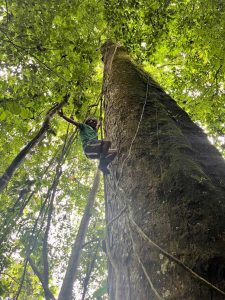
Protecting rainforests requires a combination of international cooperation, local management, and individual action. Policy measures such as creating protected nature reserves, stricter regulations against illegal logging, and promoting sustainable agriculture are essential.
At the local level, supporting communities that depend on the rainforest can help them develop alternative sources of income without destroying their ecosystem. For example, in the nearby village of San Miguel, everyone used to rely on the plantations for income. Thanks to the arrival of Adopteer Regenwoud, multiple families can now make a living from nature conservation and research. This is not just a win on paper; it’s also changing how the rainforest is viewed from the village and the surrounding area. Nature is being valued more than it was before.
Scientific research and monitoring contribute to more effective conservation and restoration of degraded areas. For example, we are learning a great deal about nature restoration through reforestation and what methods are most effective. We share this knowledge with other organizations to help rainforests worldwide.
You can also make a difference on an individual level: through your consumption habits, reusing items, energy use, emissions, and, of course, the amount of meat and dairy you eat. But that’s not all; your behavior influences those around you! This can happen in fun and positive ways, as we see with our donors who, for example, requested a rainforest adoption as a baby shower gift. Actions like these also motivate those around you to give back to nature.
International Day of Forests
Today is International Day of Forests. This is the moment not only to reflect on the importance of rainforests, but also to take concrete action. By adopting a piece of rainforest, you not only help preserve a crucial ecosystem, but you also support indigenous communities and scientific research that can make our planet future-proof. Adopting a rainforest is a concrete step that allows you to make a global impact.